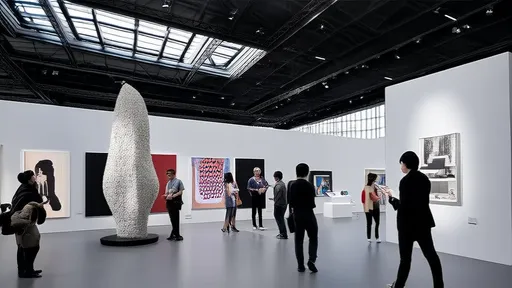
The Macau Biennale has unveiled its most ambitious urban pavilion project to date, a sprawling cultural initiative that promises to redefine the artistic dialogue between Macau and its neighboring regions. Curated under the theme "Converging Currents," this year's exhibition transcends traditional gallery boundaries by integrating site-specific installations throughout the city's urban fabric. The project represents a significant departure from previous iterations, moving beyond mere cultural exchange to establish what organizers describe as "a living laboratory for cross-border creative collaboration."
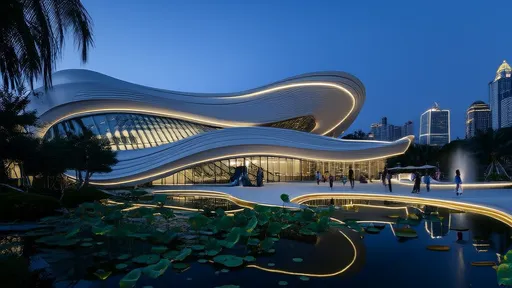
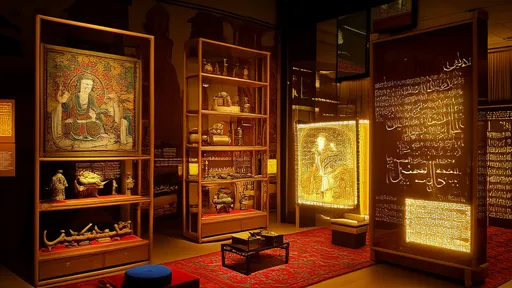
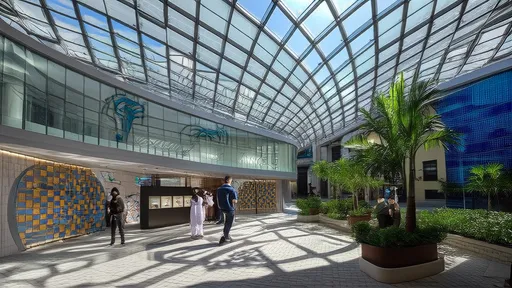
The pavilion concept emerged from two years of intensive research and community engagement, with curators conducting over 200 interviews with local residents, artists, and cultural practitioners. This ground-up approach has resulted in a deeply contextual presentation that responds specifically to Macau's unique position as a historical meeting point between Eastern and Western civilizations. The exhibition spaces are strategically located in both restored heritage buildings and contemporary architectural landmarks, creating a physical dialogue between past and present that mirrors the broader thematic concerns of the Biennale.
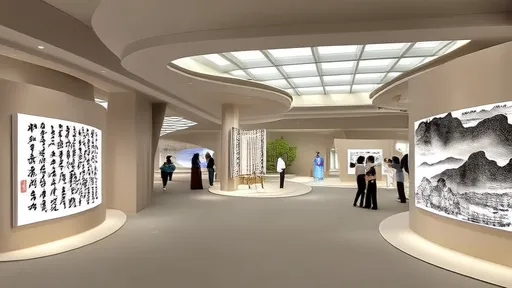
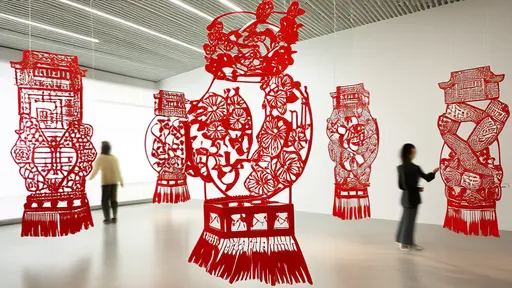
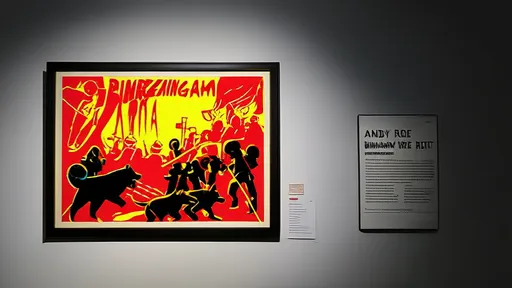
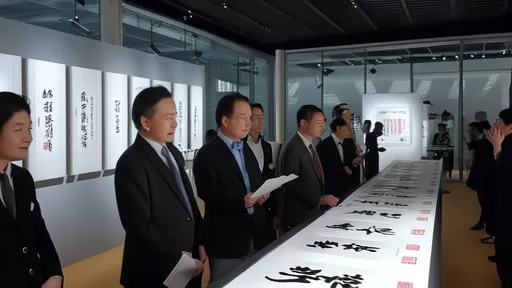
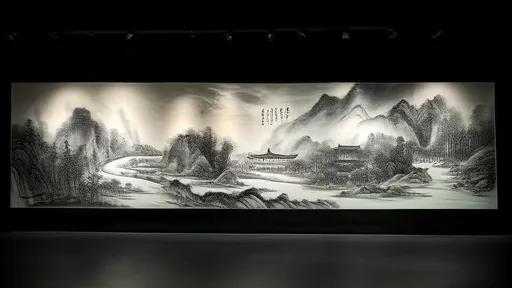
What distinguishes this edition is its unprecedented scale of collaboration between Macau and mainland Chinese cultural institutions. More than forty organizations have contributed resources and expertise, including the China Arts and Entertainment Group and the Macau Cultural Affairs Bureau. This institutional partnership has enabled the participation of nearly 100 artists from across the Greater Bay Area, with works spanning traditional ink painting, digital media, performance art, and architectural intervention. The selection process prioritized artists whose practice demonstrates a sustained engagement with regional identity and cross-cultural exchange.
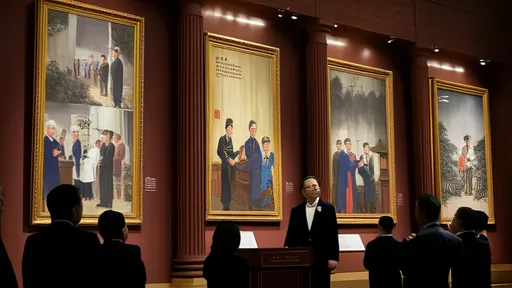
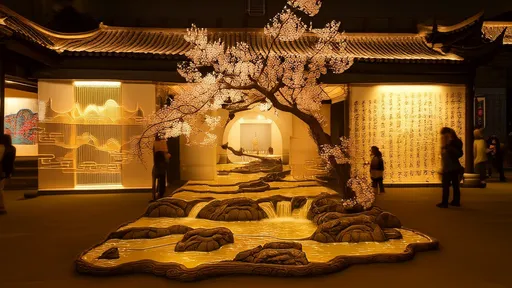
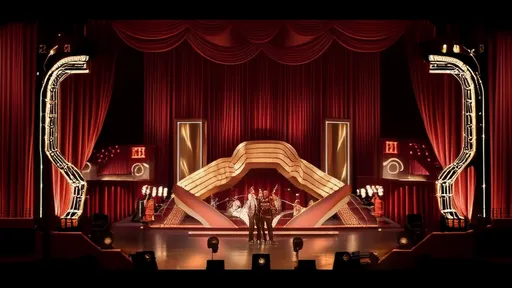
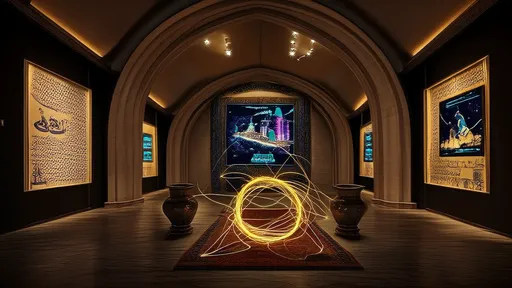
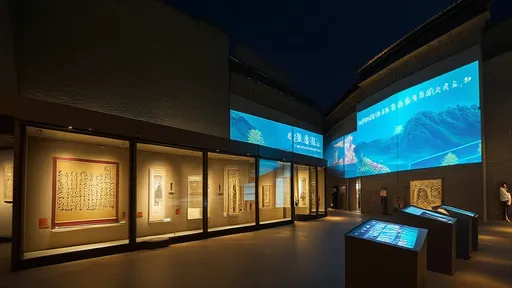
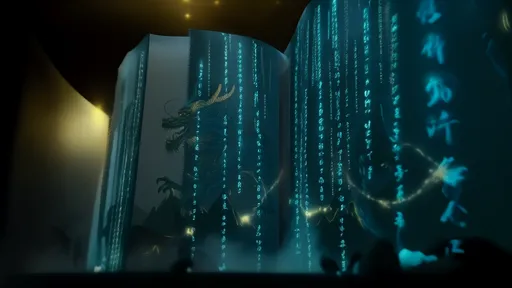
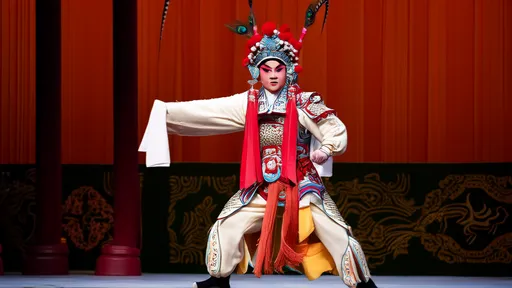
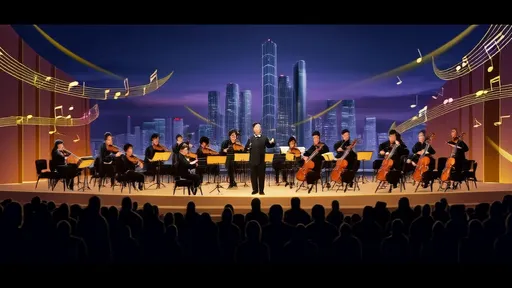
The opening ceremony witnessed a remarkable fusion of ceremonial traditions from both regions, featuring the rhythmic beats of southern Chinese lion dances alongside Portuguese fado performances. This symbolic beginning set the tone for an exhibition that consistently blurs boundaries between different artistic traditions. Visitors moving through the pavilion encounter unexpected juxtapositions: classical Cantonese opera projections mapped onto contemporary glass facades, traditional porcelain techniques reimagined through 3D printing, and architectural fragments from demolished Macau buildings incorporated into immersive sound installations.
Economic impact studies project significant benefits for both regions, with early estimates suggesting the Biennale could generate over 200 million patacas in cultural tourism revenue. Hotel occupancy rates in Macau have already shown a 15% increase compared to the same period last year, while neighboring Zhuhai reports heightened interest in its cultural facilities. More importantly, the event has stimulated new partnership models between Macau's creative industries and mainland Chinese enterprises, with several co-production agreements signed during the opening week alone.
Educational components form a crucial aspect of the pavilion project, with an extensive program of workshops, masterclasses, and symposiums running parallel to the main exhibition. These activities are specifically designed to facilitate knowledge transfer between established masters and emerging artists from both regions. The Biennale foundation has also launched a digital archive documenting traditional crafts from the Pearl River Delta, ensuring that these cultural practices are preserved while being reinterpreted for contemporary contexts.
The architectural interventions throughout the city have sparked lively public debate about urban memory and development. One particularly controversial installation involves wrapping a scheduled-for-demolition residential building in translucent fabric, transforming it into a giant lantern that glows at night. This piece has become an unexpected symbol for the complex relationship between preservation and progress in rapidly developing urban centers. Daily tours led by architecture students provide context for these interventions, explaining how each work responds to specific aspects of Macau's urban history and planning challenges.
Critics have praised the Biennale for its nuanced approach to cultural exchange, avoiding simplistic East-West dichotomies in favor of exploring the intricate networks of influence that have shaped the region. The artistic director emphasizes that the goal is not to present a unified vision but to showcase the productive tensions that emerge when different artistic traditions encounter one another. This philosophy is evident in works that deliberately maintain their cultural specificity while creating space for dialogue and mutual transformation.
Technology plays a crucial role in bridging geographical and cultural divides within the exhibition. An innovative augmented reality application allows visitors to access additional content about the artworks, including interviews with artists and historical context about the locations. This digital layer has proven particularly valuable for international visitors, providing translation and interpretation services that enhance understanding of culturally specific references. The app also enables virtual participation for those unable to visit in person, extending the Biennale's reach beyond physical boundaries.
The economic ripple effects extend far beyond the cultural sector, with local restaurants reporting increased business from both tourists and participating artists. Many establishments have created special menus inspired by the Biennale theme, featuring fusion dishes that combine culinary traditions from Macau and mainland China. This gastronomic dimension has become an unexpected but welcome aspect of the cultural exchange, demonstrating how artistic initiatives can stimulate creativity across multiple industries.
As the Biennale enters its second month, organizers are already evaluating its long-term impact. Preliminary discussions are underway to establish a permanent institute for cross-border cultural research, building on the networks and knowledge generated through the pavilion project. This proposed institution would formalize the collaborative relationships established during the Biennale, ensuring that the cultural exchange continues beyond the exhibition's three-month duration. The success of the current edition suggests strong support from both government and private stakeholders for such an initiative.
The urban pavilion project represents a significant maturation of Macau's cultural development strategy, positioning the city as a crucial nexus for artistic exchange within the Greater Bay Area. By creating spaces for genuine dialogue and collaborative creation, the Biennale moves beyond symbolic gestures of cultural cooperation to establish sustainable mechanisms for ongoing exchange. As one visiting curator noted, the project demonstrates how cultural initiatives can serve as testing grounds for deeper regional integration, creating shared experiences that transcend political and administrative boundaries.
With two months remaining in its run, the Macau Biennale's urban pavilion project continues to evolve, incorporating feedback from visitors and participants to refine its programming. The organic development of the exhibition reflects its core philosophy: that cultural exchange is not a fixed outcome but an ongoing process of negotiation and discovery. As new collaborations emerge and existing partnerships deepen, the project promises to leave a lasting legacy that will influence cultural planning in the region for years to come.

By /Oct 24, 2025
By /Oct 24, 2025
By /Oct 24, 2025
By /Oct 24, 2025

By /Oct 24, 2025
By /Oct 24, 2025
By /Oct 24, 2025
By /Oct 24, 2025
By /Oct 24, 2025
By /Oct 24, 2025
By /Oct 24, 2025
By /Oct 24, 2025
By /Oct 24, 2025
By /Oct 24, 2025
By /Oct 24, 2025
By /Oct 24, 2025
By /Oct 24, 2025

By /Oct 24, 2025
By /Oct 24, 2025
By /Oct 24, 2025