Pakistan's fashion industry is embarking on an ambitious journey eastward, with designers increasingly looking toward China's vast consumer market as a new frontier for growth and cultural exchange. The strategic move comes at a time when global fashion dynamics are shifting, and Pakistani designers are recognizing the untapped potential that lies within China's burgeoning luxury market. Fashion shows have become the primary vehicle for this exploration, serving as both artistic showcases and strategic business ventures.
The relationship between Pakistan and China, long cemented by economic and infrastructural projects like the China-Pakistan Economic Corridor (CPEC), is now extending into the creative and cultural spheres. Fashion has emerged as a new form of diplomacy, bridging cultural gaps and creating commercial opportunities that benefit both nations. Pakistani designers are particularly drawn to China's rapidly expanding middle class, whose appetite for international luxury brands and unique cultural products has been growing exponentially.
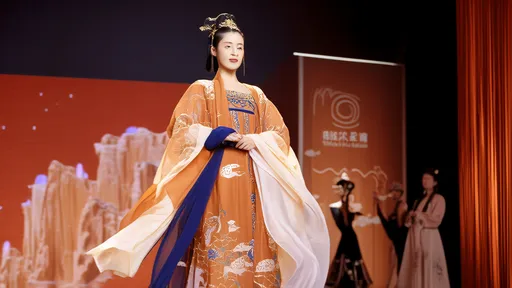
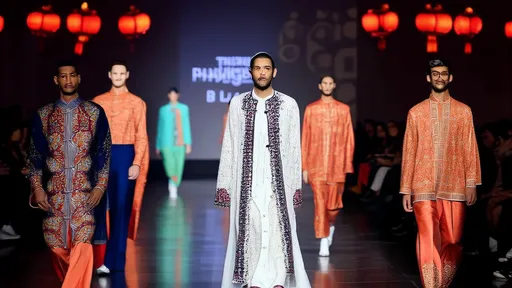
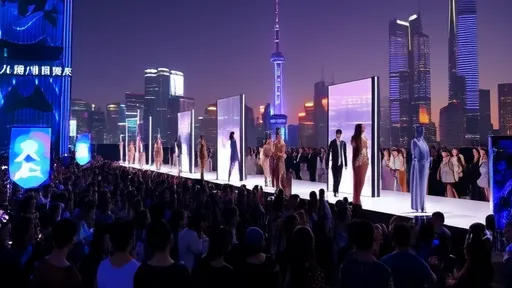
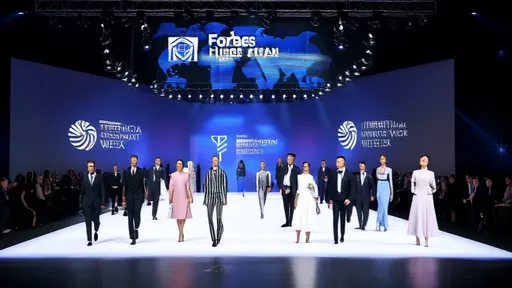
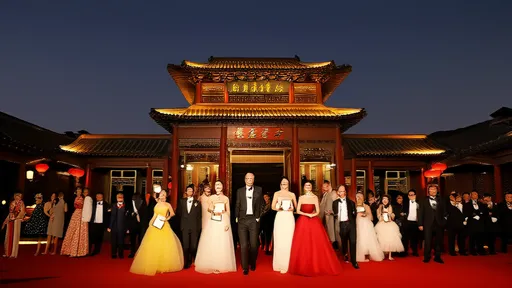
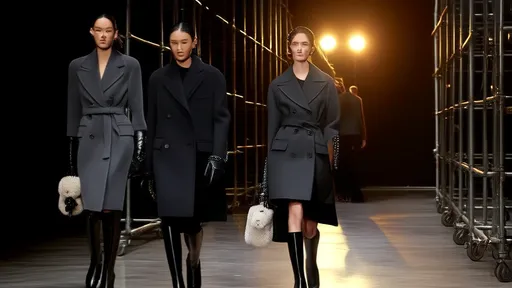
Recent fashion events in Shanghai and Beijing have featured prominent Pakistani designers who brought collections that beautifully blend traditional craftsmanship with contemporary aesthetics. These shows aren't merely displays of clothing but comprehensive cultural experiences that introduce Chinese audiences to Pakistan's rich textile heritage. The intricate embroidery techniques, vibrant color palettes, and luxurious fabric treatments characteristic of Pakistani design have received enthusiastic responses from Chinese fashion enthusiasts and buyers alike.
What makes China particularly attractive to Pakistani designers is the market's sophistication and scale. With over 400 million middle-class consumers and growing disposable income, China represents a market that cannot be ignored. Pakistani designers are strategically positioning their brands to capture segments of this market by emphasizing their unique value proposition: authentic craftsmanship, cultural richness, and distinctive design aesthetics that stand apart from Western luxury brands that have traditionally dominated the Chinese market.
The exploration hasn't been without its challenges. Pakistani designers must navigate significant cultural differences in fashion preferences, sizing standards, and marketing approaches. However, many are finding creative solutions, such as incorporating subtle Chinese aesthetic elements into their designs or collaborating with Chinese fashion influencers to better understand local tastes. This adaptive approach demonstrates the designers' commitment to building lasting relationships rather than simply exporting products.
Technology and e-commerce platforms have played a crucial role in this fashion diplomacy. Pakistani designers are leveraging Chinese social media platforms like WeChat and Little Red Book to build brand awareness and connect directly with potential customers. Virtual fashion shows and digital lookbooks have allowed them to reach audiences beyond the major metropolitan areas, tapping into China's vast lower-tier cities where luxury consumption is growing rapidly.
Industry experts note that the timing of this push is particularly strategic. As Chinese consumers become more sophisticated and seek alternatives to European luxury houses, they're showing increased interest in brands that offer authentic cultural narratives and artisanal quality. Pakistani fashion, with its deep roots in Mughal-era craftsmanship and traditional techniques, perfectly aligns with this emerging consumer preference.
The economic implications are significant for Pakistan's fashion industry, which employs millions of artisans and workers. Success in the Chinese market could provide sustainable livelihoods for countless families involved in textile production and garment manufacturing. Furthermore, it could elevate Pakistan's global fashion profile, positioning the country as a serious player in the international luxury market rather than just a manufacturing hub.
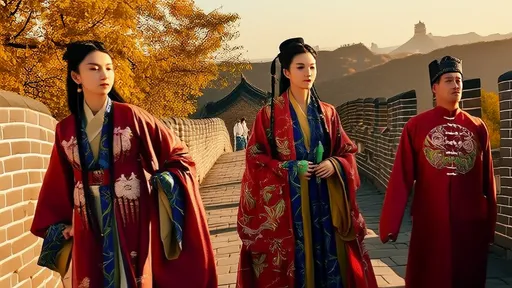
Cultural exchange goes both ways in this fashion dialogue. Just as Pakistani designers are introducing Chinese audiences to their aesthetic traditions, they're also drawing inspiration from Chinese culture and fashion history. This cross-pollination of ideas is resulting in innovative designs that reflect both civilizations' rich heritage while speaking to contemporary global fashion sensibilities.
Government support has been instrumental in facilitating these fashion initiatives. Both Pakistani and Chinese authorities have recognized the soft power potential of fashion exchanges and have provided logistical support, visa facilitation, and promotional platforms. This institutional backing has been particularly valuable for emerging designers who might otherwise lack the resources to enter such a competitive market independently.
The educational dimension of these fashion exchanges shouldn't be underestimated. Design students from Pakistan are increasingly looking to Chinese fashion schools for advanced training, while Chinese textile experts are showing interest in Pakistan's traditional dyeing and weaving techniques. This knowledge exchange promises to enrich both countries' fashion ecosystems in the long term.
Looking ahead, the potential for growth appears substantial. Market research indicates that Chinese consumers are particularly receptive to brands that can authentically represent their cultural origins while meeting international quality standards. Pakistani designers, with their unique position at the crossroads of South Asian, Persian, and Central Asian influences, are well-positioned to capitalize on this opportunity.
The sustainability aspect of Pakistani fashion is another compelling selling point. Many designers emphasize handcrafted production, natural dyes, and traditional techniques that align with growing Chinese consumer interest in ethical and sustainable fashion. This values-based approach helps differentiate Pakistani brands in a crowded marketplace.
As the relationship deepens, we're likely to see more structural collaborations emerging. Joint ventures between Pakistani and Chinese fashion houses, shared manufacturing facilities, and co-branded collections represent the next phase of this fashion partnership. Such collaborations could create hybrid aesthetics that appeal to global audiences while strengthening the commercial bonds between the two nations.
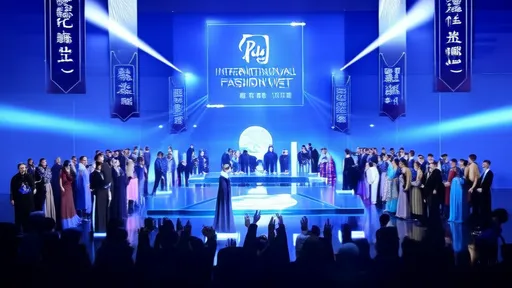
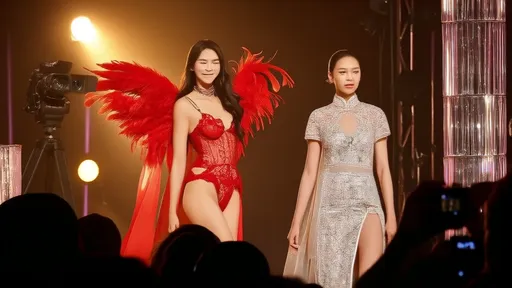
The fashion shows themselves have evolved beyond mere commercial presentations to become cultural events that attract media attention, celebrity participation, and industry buzz. The production values rival those of established fashion capitals, signaling Pakistani designers' serious commitment to making an impact in the Chinese market.
Consumer response data from initial market entries has been encouraging. Chinese buyers have shown particular appreciation for Pakistani formal wear and bridal collections, which feature the elaborate embroidery and luxurious fabrics for which Pakistani fashion is renowned. This specific market segment represents a significant opportunity given China's large wedding industry and cultural emphasis on formal occasions.
The road ahead will require continued adaptation and learning. Pakistani designers must remain attentive to China's rapidly evolving fashion landscape and consumer preferences. However, the foundation built through these initial fashion shows and cultural exchanges appears strong, suggesting that Pakistani fashion has found a meaningful foothold in one of the world's most important consumer markets.
In the broader context of China's Belt and Road Initiative, fashion represents the human and cultural dimension of international connectivity. While infrastructure projects create physical links between nations, cultural exchanges like these fashion initiatives build people-to-people connections that may prove equally important in the long term. The success of Pakistani designers in China could serve as a model for other creative industries seeking to bridge cultural divides through commerce and art.
The exploration of China's fashion market by Pakistani designers represents more than business expansion—it's a testament to the power of cultural dialogue in an increasingly interconnected world. As these fashion exchanges continue to evolve, they're likely to produce not just commercial success but genuine cultural understanding and appreciation between two ancient civilizations rediscovering each other through the universal language of design.
By /Oct 22, 2025
By /Oct 22, 2025
By /Oct 22, 2025
By /Oct 22, 2025
By /Oct 22, 2025
By /Oct 22, 2025
By /Oct 22, 2025
By /Oct 22, 2025
By /Oct 22, 2025
By /Oct 22, 2025
By /Oct 22, 2025
By /Oct 22, 2025
By /Oct 22, 2025
By /Oct 22, 2025
By /Oct 22, 2025
By /Oct 22, 2025
By /Oct 22, 2025
By /Oct 22, 2025
By /Oct 22, 2025
By /Oct 22, 2025